With thousands of altcoins on the market, it’s easy to get swept up by a trending ticker or a viral social media post. But buying a coin without doing your homework is closer to gambling than investing. This guide gives you a practical, repeatable framework for researching any altcoin before you put money on the line.
Why Altcoin Research Matters
Altcoins are any cryptocurrencies other than Bitcoin. Some are serious technology projects with real users. Others are experiments, short-lived trends or outright scams. Research is the essential first step in our guide on how to buy, sell and trade Bitcoin and altcoins.
Careful research helps you:
- Separate projects with genuine utility from pure hype
- Understand the risks before you commit capital
- Avoid common traps like rug pulls and pump-and-dump schemes
- Build conviction, so you’re less likely to panic-sell during volatility
Altcoins are highly volatile and many lose most of their value over time. This guide is educational and not financial advice.
Step 1: Understand the Project’s Purpose
Start with the most basic question: what problem does this project solve, and does it actually need a token to solve it?
- Read the whitepaper or documentation. Look for a clear explanation of the problem, the solution and how the technology works. The original Bitcoin whitepaper is a classic example.
- Identify the target users. Who will use this, and why would they choose it over existing alternatives?
- Check the token’s role. Is it used for fees, staking, governance or access? Or does it seem bolted on with no real function?
If you can’t explain the project in two or three plain sentences after reading its materials, that’s a warning sign.
It also helps to ask whether the project could work just as well without a blockchain. If a traditional database would do the job better, the token may have little lasting value.
Step 2: Analyze the Tokenomics
Tokenomics describes how a token’s supply is created, distributed and managed. Even a great project can be a poor investment if the token design works against holders.
Key Tokenomics Questions
- Circulating vs total supply: How many tokens exist now compared with how many will exist eventually?
- Market cap vs fully diluted valuation (FDV): A large gap can mean significant future dilution as new tokens unlock.
- Distribution: What share went to the team, early investors, the community and the treasury?
- Vesting and unlock schedules: When can insiders sell? Large unlocks can create selling pressure.
- Inflation and burns: Is new supply being issued, and are there mechanisms that reduce supply over time?
Be cautious if a small number of wallets hold a large share of the supply. Concentrated ownership makes prices easier to manipulate.
Step 3: Evaluate the Team and Backers
People build projects, so their track record matters.
- Is the team public? Anonymous teams aren’t automatically bad, but they add risk and reduce accountability.
- What have they built before? Look for relevant experience in software, crypto or the project’s industry.
- Who are the investors and partners? Verify any claimed partnerships through the partner’s own official channels, not just the project’s announcements.
- How do they communicate? Regular, transparent updates are a good sign. Vague promises and price talk are not.
Step 4: Check Real Activity and Development
Hype is easy to manufacture. Real usage and steady development are much harder to fake.
On-Chain and Product Metrics
- Active users and transactions: Are people actually using the network or app?
- Total value locked (TVL): For DeFi projects, how much capital is deposited, and is it growing organically?
- Revenue or fees: Does the protocol generate meaningful income from real activity?
Development Activity
- Is the code open source, and is the repository regularly updated?
- Has the code been audited by reputable security firms, and were issues resolved?
- Is the roadmap realistic, and has the team hit past milestones?
If the project is part of the decentralized finance space, our DeFi and Web3 guides can help you understand the mechanics behind it.
Step 5: Assess Liquidity, Community and Market Context
Even a promising project can be hard to trade if the market around it is thin or unhealthy.
- Liquidity and volume: Low liquidity can mean wide spreads and difficulty exiting a position.
- Exchange availability: Where is it traded, and how reputable are those venues?
- Community quality: Look for thoughtful discussion about the product, not just price predictions and memes.
- Competition: How does the project compare with rivals solving the same problem? Our Ethereum vs Solana comparison shows this in practice.
- Market conditions: Altcoins often move with Bitcoin and overall sentiment, so consider the bigger picture.
Where to Find Reliable Information
- Official sources: The project’s website, documentation, code repository and verified social accounts.
- Blockchain explorers: Check token holders, contract details and transaction history directly on-chain.
- Data aggregators: Compare supply, market cap, volume and listings across independent sites.
- Audit reports: Read the findings yourself rather than relying on a project’s summary.
Cross-check claims across several sources, and be skeptical of any single account pushing a coin aggressively.
Red Flags That Should Make You Walk Away
Some warning signs are serious enough to end your research on the spot:
- Promises of guaranteed returns or “risk-free” profits
- Anonymous teams combined with no audits and locked-down code
- Huge token allocations to insiders with short or no vesting
- Aggressive influencer promotion with little substance behind it
- Contracts that restrict selling or include hidden fees
- Pressure to buy immediately before a supposed “launch” or “listing”
Build a Simple Research Checklist
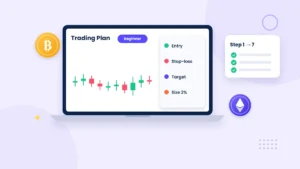
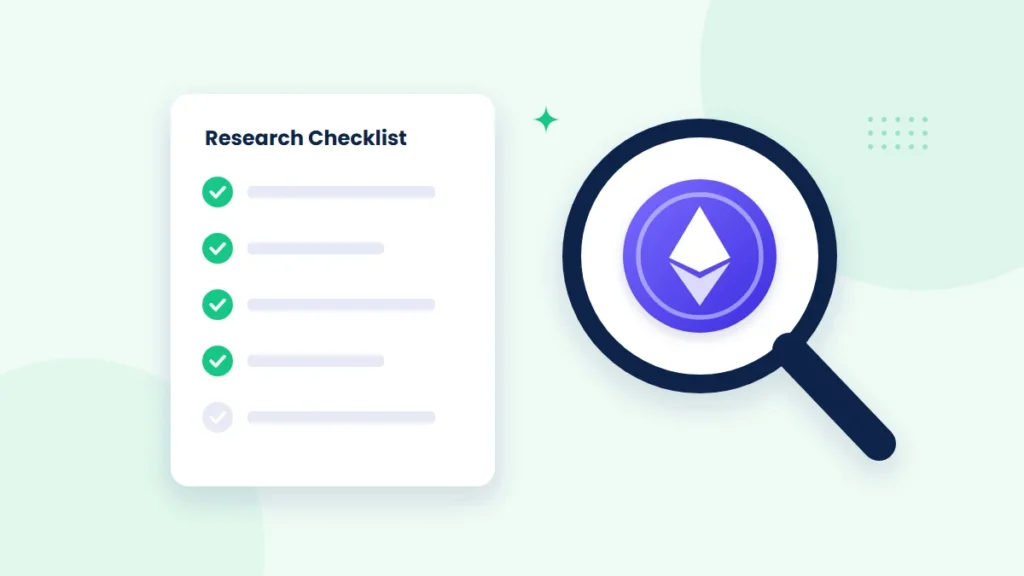
Turn these steps into a reusable checklist and score each project from one to five in every category: purpose, tokenomics, team, activity and market. Writing your reasoning down keeps emotions in check and makes it easy to compare opportunities side by side.
Once a coin passes your checks, you can buy and sell crypto on Bithoex.com, which aims to make trading secure and easy. Start with a position size you’re comfortable with and review your thesis regularly.
Frequently Asked Questions
How long should I spend researching an altcoin?
There’s no fixed rule, but most careful investors spend at least a few hours reading documentation, checking tokenomics and reviewing on-chain data. The larger your planned position, the deeper your research should be.
What is the most important factor when evaluating an altcoin?
No single factor tells the whole story. Real utility, sustainable tokenomics and genuine usage are often the strongest signals, but they should be weighed together with team credibility and market liquidity.
Are low-priced altcoins better buys?
Not necessarily. A low price per token says little on its own. Market cap, fully diluted valuation and total supply matter far more when judging how much a project is actually valued.
Final Thoughts
Researching an altcoin takes time, but it’s one of the best ways to protect your capital and make decisions you can stand behind. Focus on purpose, tokenomics, people, real activity and market context, and walk away when red flags appear. Bithoex.com users can keep sharpening their skills with more guides in our altcoins section.