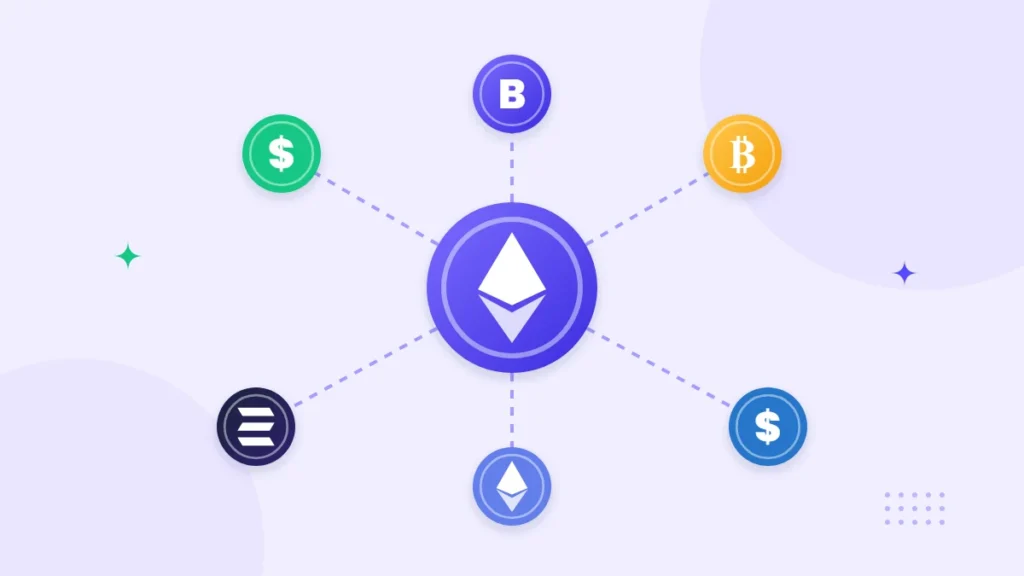
Decentralized finance, or DeFi, is one of the most talked-about ideas in crypto, but the jargon can make it feel harder than it really is. At its core, DeFi means using blockchain-based software to lend, borrow, trade and earn without relying on a traditional bank or broker. This guide explains what DeFi is, how it works, where the opportunities lie and which risks you should understand before getting started.
What Is DeFi?
DeFi is an umbrella term for financial applications built on public blockchains, most commonly Ethereum and other networks that support smart contracts.
In traditional finance, intermediaries such as banks, exchanges and clearinghouses hold your money and process your transactions. In DeFi, much of that work is handled by code that anyone can inspect and interact with directly from a crypto wallet. The ethereum.org introduction to DeFi is a helpful starting point.
Key characteristics of DeFi include:
- Permissionless access: anyone with a compatible wallet and an internet connection can typically use DeFi apps.
- Transparency: transactions and smart contract code are usually visible on the public blockchain.
- Self-custody: you hold your own assets in your wallet rather than depositing them with a company.
- Composability: DeFi apps can plug into one another like building blocks, which is why the space is often called “money Legos.”
How DeFi Works: The Building Blocks
A few core technologies make DeFi possible. Understanding them will help everything else click into place.
Smart Contracts
A smart contract is a program stored on a blockchain that runs automatically when certain conditions are met. For example, a lending contract can release a loan once you deposit enough collateral, and liquidate that collateral if its value falls too low.
Wallets
To use DeFi, you connect a self-custody wallet to an application. The wallet holds your private keys and lets you approve transactions. Whoever controls the keys controls the funds, so protecting your seed phrase is essential. Our hot wallet vs cold wallet guide explains your storage options.
Tokens and Stablecoins
DeFi runs on tokens. Some represent ownership or governance rights in a protocol, while stablecoins aim to hold a steady value, often pegged to the US dollar. Stablecoins are widely used in DeFi because they reduce exposure to price swings.
Oracles
Blockchains cannot see real-world data on their own. Oracles are services that feed external information, such as asset prices, into smart contracts so they can function correctly.
Popular Types of DeFi Applications
DeFi has grown into a broad ecosystem. Here are the most common categories you will encounter:
| Category | What It Does | Traditional Equivalent |
|---|---|---|
| Decentralized exchanges (DEXs) | Swap tokens directly from your wallet using liquidity pools | Stock or currency exchange |
| Lending and borrowing | Earn interest on deposits or borrow against collateral | Bank savings accounts and loans |
| Stablecoins | Provide tokens designed to track a stable value | Digital cash |
| Liquid staking | Stake tokens while receiving a tradable token in return | Interest-bearing deposits |
| Derivatives | Trade synthetic assets, options or perpetual futures | Futures and options markets |
Liquidity Pools and Automated Market Makers
Many DEXs do not use a traditional order book. Instead, they rely on liquidity pools, which are smart contracts holding pairs of tokens supplied by users. An automated market maker (AMM) uses a formula to set prices based on the ratio of tokens in the pool.
Users who supply tokens are called liquidity providers. They typically earn a share of trading fees in return, but they also face a risk called impermanent loss, which we cover below.
Benefits of DeFi
- Open access: no account approval or minimum balance is usually required.
- Around-the-clock markets: DeFi apps run 24/7 without business hours or holidays.
- Control: you keep custody of your assets and decide when to move them.
- Innovation: new financial products can be built and launched quickly by developers worldwide.
- Transparency: anyone can verify on-chain activity and, in many cases, audit the code.
Risks You Need to Understand
DeFi’s openness is also the source of its biggest risks. Before you deposit any funds, make sure you understand what can go wrong. For broader protection tips, read Crypto Security: The Complete Guide.
- Smart contract risk: bugs or vulnerabilities in code can be exploited, sometimes draining funds from a protocol. Audits reduce but do not eliminate this risk.
- Impermanent loss: liquidity providers can end up with less value than if they had simply held their tokens, especially when prices move sharply.
- Liquidation risk: if your collateral falls in value, a lending protocol may automatically sell it to cover your loan.
- Scams and rug pulls: some projects are designed to attract deposits and then disappear with the funds.
- Stablecoin depegs: stablecoins can lose their peg under stress, affecting every protocol that relies on them.
- User error: sending funds to the wrong address or approving a malicious contract is usually irreversible.
- Regulatory uncertainty: rules around DeFi are still evolving in many jurisdictions.
In DeFi, you are your own bank. That means more freedom, but also full responsibility for your security and decisions.
As always, crypto is highly volatile and this article is for education only, not financial advice.
How to Get Started With DeFi Safely
- Learn the basics first. Understand wallets, gas fees and how the specific protocol works before you deposit anything.
- Acquire crypto through a trusted exchange. Many people buy their first tokens on Bithoex.com, a centralized platform, and then transfer them to a self-custody wallet.
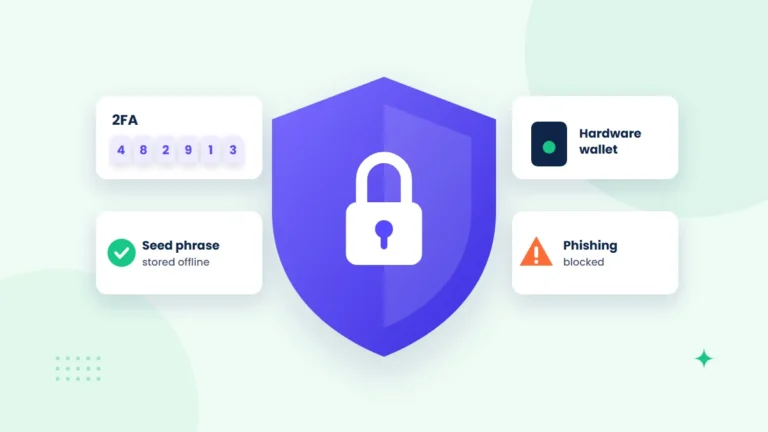
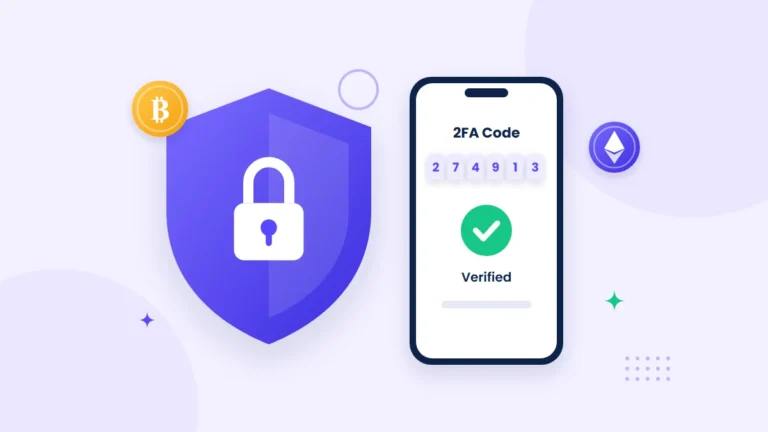
- Set up a secure wallet. Write down your seed phrase offline and consider a hardware wallet for larger amounts.
- Start small. Test with an amount you can afford to lose while you learn.
- Use established protocols. Look for a long track record, public audits and an active community.
- Review token approvals. Periodically revoke permissions you no longer need.
- Double-check every transaction. Verify addresses, networks and amounts before confirming.
For more on wallets, tokens and the wider Web3 world, explore our DeFi and Web3 guides.
Frequently Asked Questions
Is DeFi safe?
DeFi carries real risks, including smart contract bugs, scams and liquidations. Using well-established, audited protocols, starting small and securing your wallet can reduce those risks, but they can never be eliminated entirely.
Do I need a lot of money to use DeFi?
No. There is usually no minimum, but network transaction fees, known as gas, can make very small transactions uneconomical on some blockchains. Lower-cost networks may be a better fit for small amounts.
What is the difference between DeFi and a centralized exchange?
A centralized exchange is operated by a company that manages accounts, custody and order matching. DeFi apps run on smart contracts, and you interact with them directly from your own wallet while keeping custody of your assets.
Final Thoughts
DeFi reimagines financial services as open, programmable software that anyone can use. It offers real benefits, from 24/7 access to full control over your assets, but it also demands care and responsibility. Learn the fundamentals, start small and prioritize security, and Bithoex.com users exploring DeFi will be well placed to navigate this fast-evolving space.