Where you store your crypto matters just as much as what you buy. The two main options, hot wallets and cold wallets, offer very different balances of convenience and security. This guide explains how each works, their pros and cons, and how to build a storage setup that keeps your assets safe.
First, What Does a Crypto Wallet Actually Do?
A crypto wallet doesn’t store coins the way a leather wallet stores cash. Your crypto always lives on the blockchain. What a wallet stores is your private key, the secret that proves ownership and lets you authorize transactions. The ethereum.org site also offers a helpful overview of crypto wallets.
That leads to one of the most important rules in crypto:
Whoever controls the private keys controls the funds.
Most self-custody wallets also give you a recovery phrase, usually 12 or 24 words, that can restore your keys on a new device. Protecting that phrase is essential.
Custodial vs Non-Custodial
- Custodial wallets: A third party, such as an exchange, manages the keys on your behalf. It’s convenient, but you rely on the provider’s security.
- Non-custodial wallets: You hold your own keys. You get full control, along with full responsibility.
What Is a Hot Wallet?
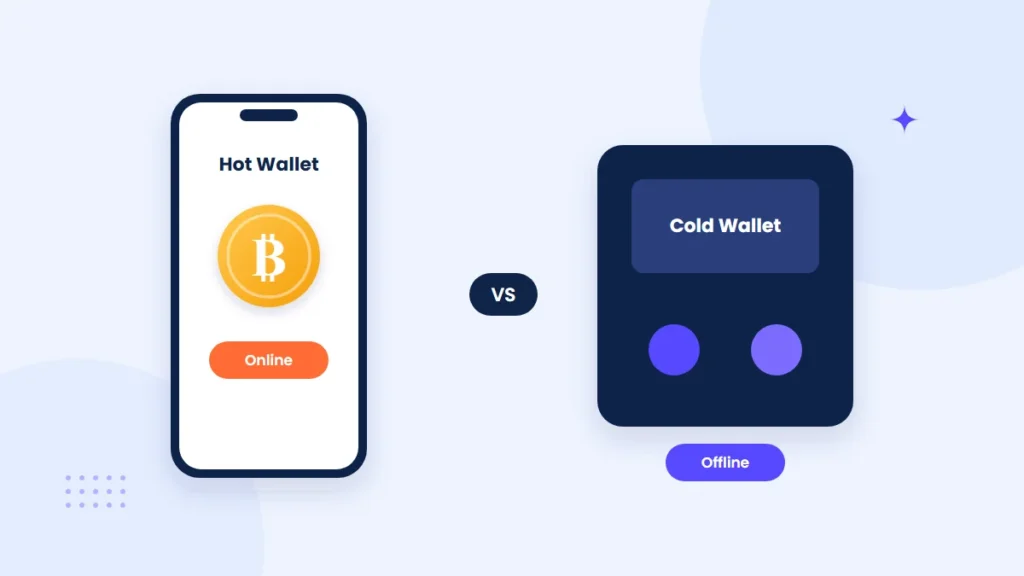
A hot wallet is any wallet connected to the internet. That includes mobile apps, desktop software, browser extensions and accounts on exchanges.
Advantages of Hot Wallets
- Convenience: Send, receive and trade quickly from your phone or computer.
- Easy access to apps: Browser and mobile wallets connect directly to DeFi and Web3 apps.
- Usually free: Most software wallets cost nothing to download.
- Beginner-friendly: Setup typically takes just a few minutes.
Disadvantages of Hot Wallets
- Online exposure: Being connected makes them a target for hackers, malware and phishing.
- Device risk: If your phone or computer is compromised, your keys may be too.
- Malicious approvals: Connecting to a fraudulent app and signing a harmful transaction can drain funds.
Hot wallets are best for smaller balances you use regularly, much like the cash you carry day to day.
What Is a Cold Wallet?
A cold wallet keeps your private keys offline, away from internet-based threats. The most common type is a hardware wallet, a small physical device that signs transactions internally so your keys never touch your computer.
Other cold storage approaches include air-gapped devices that never connect to a network and paper wallets, though paper wallets are now considered outdated and error-prone by many security experts.
Advantages of Cold Wallets
- Strong protection from online attacks: Keys stay offline, so remote hackers can’t easily reach them.
- Physical confirmation: Many hardware wallets require you to approve each transaction on the device itself.
- Ideal for long-term holdings: Great for savings you don’t need to touch often.
Disadvantages of Cold Wallets
- Upfront cost: Hardware wallets must be purchased.
- Less convenient: Every transaction requires the device, which slows down frequent trading.
- Physical risks: Devices can be lost, stolen or damaged, which is why a securely stored backup is critical.
Hot Wallet vs Cold Wallet at a Glance
| Feature | Hot Wallet | Cold Wallet |
|---|---|---|
| Internet connection | Always or often online | Keys kept offline |
| Security level | Moderate | High |
| Convenience | Very high | Lower |
| Cost | Usually free | Requires buying a device |
| Best for | Trading and daily use | Long-term storage |
How to Build a Smart Storage Strategy
You don’t have to choose just one. Most experienced users combine both types, matching each to a specific purpose.
- Keep trading funds accessible. Hold what you actively trade on a secure exchange or in a hot wallet. On a platform like Bithoex.com, you can buy, sell and trade crypto securely and easily while keeping your account protected with strong security settings.
- Move long-term savings to cold storage. Transfer holdings you don’t plan to touch for months or years to a hardware wallet.
- Use a separate hot wallet for Web3 apps. A dedicated “burner” wallet with limited funds reduces the damage if you interact with a malicious app.
- Review your setup regularly. As your holdings grow, shift a larger share into cold storage.
Crypto prices are volatile and security mistakes are usually irreversible. This guide is educational and not financial advice.
Essential Security Tips for Any Wallet
No wallet is safe if it’s used carelessly. Follow these habits no matter which type you choose. Our crypto security guide goes deeper on each one.
Protect Your Recovery Phrase
- Write it down on paper or stamp it on metal. Never store it as a screenshot, note or cloud file.
- Keep it somewhere private and safe from fire and water damage.
- Never share it with anyone. Legitimate support teams will never ask for it.
Buy and Use Hardware Safely
- Purchase hardware wallets directly from the manufacturer or an authorized seller.
- Avoid secondhand devices or any device that arrives with a pre-filled recovery phrase.
- Keep firmware updated using only the manufacturer’s official software.
Stay Alert Online
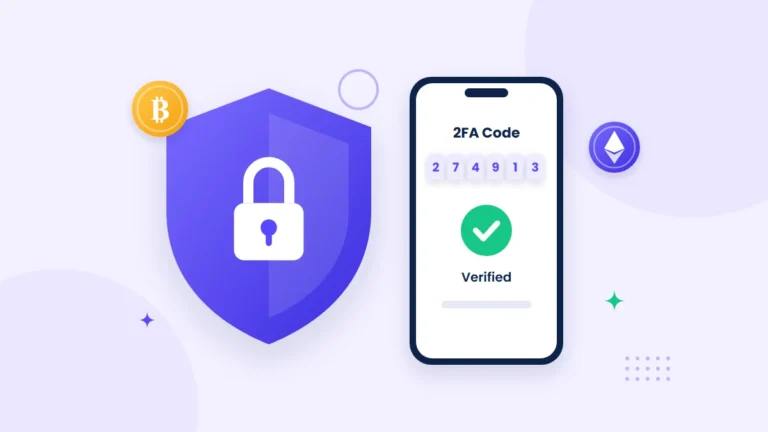
- Enable two-factor authentication on exchange accounts, ideally with an authenticator app, as covered in our exchange security essentials guide.
- Bookmark official websites to avoid phishing lookalikes.
- Verify the receiving address before every transaction, and send a small test amount first for new addresses.
- Review and revoke unnecessary token approvals in your hot wallets.
Plan for the Unexpected
Good storage isn’t only about stopping hackers. It’s also about making sure your crypto can be recovered if something happens to you or your devices.
- Consider keeping a second copy of your recovery phrase in a separate secure location.
- Test your backup by restoring a wallet with a small balance before relying on it.
- Think about how a trusted person could access your assets in an emergency, without exposing your keys today.
For more ways to protect yourself, explore our crypto security guides.
Frequently Asked Questions
Is a cold wallet completely safe?
Cold wallets greatly reduce online risks, but no method is completely risk-free. You can still lose funds by exposing your recovery phrase, buying a tampered device or approving a malicious transaction, so careful habits remain essential.
Do I need a cold wallet if I only own a small amount of crypto?
Not necessarily. Many people with smaller balances use a secure exchange account or a reputable hot wallet. As your holdings grow, a cold wallet becomes more worthwhile.
What happens if I lose my hardware wallet?
If you still have your recovery phrase, you can restore your wallet on a new device and regain access to your funds. Without the recovery phrase, funds may be lost permanently.
Final Thoughts
Hot wallets offer speed and convenience, while cold wallets offer stronger protection for long-term holdings. The safest approach for most people is a mix of both, backed by good security habits. Bithoex.com users who pair a well-secured trading account with thoughtful cold storage can trade actively while keeping their savings safe. Find more practical guides on our blog.