Crypto trading can feel overwhelming at first, with nonstop price charts, unfamiliar jargon and endless opinions online. The good news is that you don’t need to master everything on day one. This beginner’s roadmap breaks the journey into clear, manageable steps so you can start trading with confidence and a plan. For a deeper reference, keep our complete guide to crypto trading for beginners handy.
Step 1: Understand What Crypto Trading Really Is
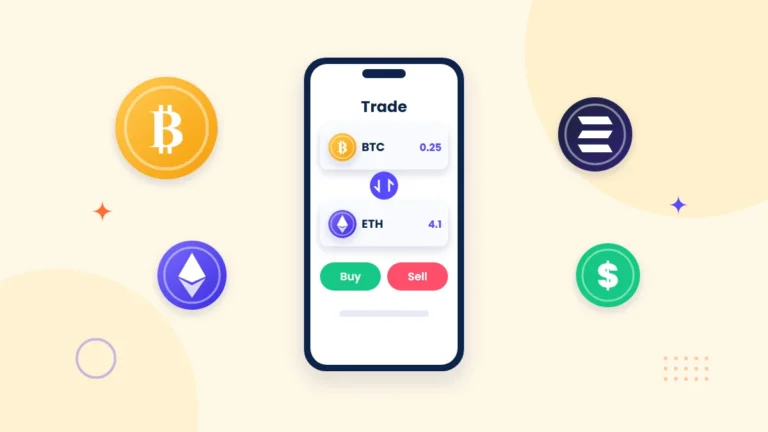
Crypto trading means buying and selling digital assets like Bitcoin or Ethereum with the goal of profiting from price changes. Unlike long-term investing, where you buy and hold for years, trading usually involves shorter time frames and more frequent decisions.
Before placing a single order, get comfortable with a few core ideas:
- Trading pairs: Assets are quoted against each other, such as BTC/USDT, which shows how much of a stablecoin one Bitcoin costs.
- Volatility: Crypto prices can swing sharply within hours. That creates opportunity, but also real risk.
- Liquidity: Highly liquid markets let you buy or sell quickly without moving the price much.
- Market hours: Crypto markets run 24/7, so prices can move while you sleep.
Crypto is highly volatile, and nothing in this guide is financial advice. Only trade money you can afford to lose.
Step 2: Define Your Goals and Trading Style
Every successful trader starts with a clear reason for trading. Are you trying to grow a small portfolio, learn a new skill or actively generate returns? Your answer shapes how much time and capital you commit.
Common Trading Styles
- Day trading: Opening and closing positions within the same day. It demands focus and frequent screen time.
- Swing trading: Holding positions for days or weeks to capture larger price moves. This often suits beginners with jobs or busy schedules.
- Position trading: Holding for weeks or months based on broader trends and fundamentals.
- Dollar-cost averaging (DCA): Buying a fixed amount at regular intervals. It is technically more investing than trading, but it is a gentle on-ramp for newcomers.
Pick one style to start. Jumping between strategies is one of the fastest ways beginners lose money and confidence.
Step 3: Choose a Secure, Easy-to-Use Platform
Your exchange is where all of your trading happens, so choose carefully. A good platform should make it simple to buy, sell and track your assets while protecting your account.
When comparing exchanges, look for:
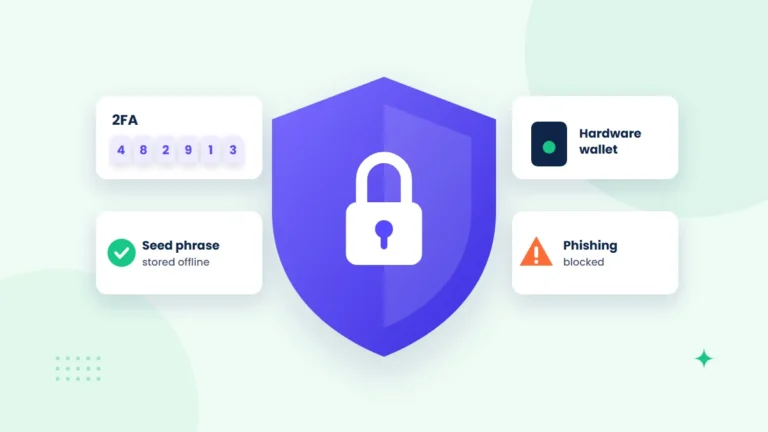
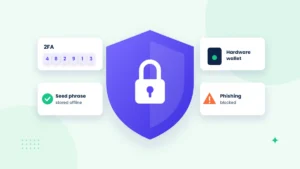
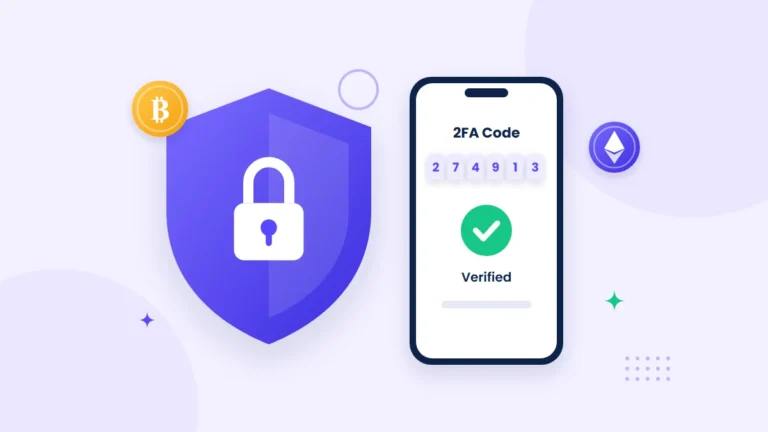
- Strong security features such as two-factor authentication (2FA), withdrawal whitelists and login alerts.
- A clear, intuitive interface that does not bury important information.
- Transparent fees so you understand exactly what each trade costs.
- Responsive support for when something goes wrong.
- Educational resources that help you keep learning.
Bithoex.com’s beginner-friendly platform is built to help users buy, sell and trade cryptocurrencies securely and easily, which makes it a practical place to begin your journey.
Set Up Your Account the Right Way
- Register with a unique email address and a strong, unique password.
- Complete any required identity verification steps.
- Enable 2FA using an authenticator app rather than SMS where possible.
- Fund your account with a small amount to start.
Step 4: Learn the Basic Order Types
Knowing how orders work prevents costly mistakes. Most exchanges offer a few standard types, and you’ll use them constantly.
- Market order: Buys or sells immediately at the best available price. It is fast, but the final price can differ slightly from what you saw.
- Limit order: Buys or sells only at a price you set or better. It gives you control, but the order may never fill.
- Stop-loss order: Automatically sells if the price falls to a level you choose, limiting your downside.
- Take-profit order: Automatically sells when the price reaches your target, locking in gains.
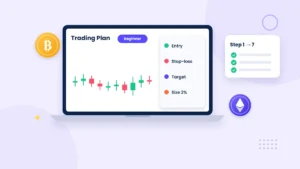
Practice placing small limit orders first. They teach patience and help you think in terms of planned entry and exit prices rather than emotional reactions.
Step 5: Build Your Analysis Skills
Traders typically rely on two broad types of analysis. Most use a mix of both.
Technical Analysis
Technical analysis studies price charts and trading volume to spot patterns and trends. Our guide on how to read candlestick charts is a good place to start. Beginners can start with a handful of tools:
- Support and resistance: Price levels where buying or selling pressure has historically appeared.
- Moving averages: Smoothed price lines that help reveal the overall trend direction.
- Relative Strength Index (RSI): An indicator that suggests when an asset may be overbought or oversold.
- Volume: Rising volume often confirms the strength of a price move.
Fundamental Analysis
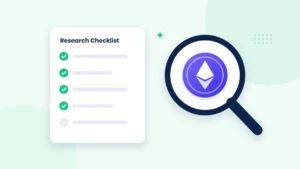
Fundamental analysis looks at the value behind a project. That includes its use case, development activity, token supply, team and community. It matters most for longer holding periods.
For regular insights on trends and price action, browse the market analysis section and make reading it part of your weekly routine.
Step 6: Master Risk Management Before Chasing Profits
Risk management is what separates traders who last from those who burn out quickly. Profits matter, but protecting your capital matters more.
- Use the 1–2% rule: Risk only a small percentage of your trading capital on any single trade.
- Always set a stop-loss: Decide your exit before you enter, not after the price moves against you.
- Avoid leverage early on: Borrowed funds magnify both gains and losses, and they can wipe out an account fast.
- Diversify sensibly: Don’t put everything into one coin, especially small, illiquid ones.
- Keep a trading journal: Record why you entered, why you exited and what you learned.
Emotions are your biggest enemy. Fear of missing out (FOMO) pushes people to buy tops, while panic leads them to sell bottoms. A written plan helps you stay disciplined when markets get noisy.
Protect Your Account, Too
Security is part of risk management. Beware of phishing emails, fake support accounts and “guaranteed return” schemes. Treat any offer that sounds too good to be true as a red flag. The Investor.gov crypto assets spotlight lists more warning signs.
A Simple 30-Day Starter Plan
If you’re not sure where to begin, follow this simple timeline:
- Week 1: Learn key terms from our crypto glossary for beginners, open and secure your account, and study how two or three major coins behave.
- Week 2: Practice reading charts and identifying support, resistance and trend direction.
- Week 3: Place a few small trades using limit and stop-loss orders. Log every trade in your journal.
- Week 4: Review your results, identify mistakes and refine your rules before increasing position sizes.
Bithoex.com users can follow this same roadmap, starting small and scaling up only once their process feels consistent.
Frequently Asked Questions
How much money do I need to start crypto trading?
You can start with a small amount, often whatever your chosen exchange allows as a minimum. Beginners should focus on learning rather than earning, so begin with money you are fully prepared to lose.
Is crypto trading good for beginners?
It can be, as long as you approach it with education, a clear plan and strict risk management. Many beginners find swing trading or dollar-cost averaging less stressful than day trading.
Which cryptocurrency should a beginner trade first?
Many beginners start with large, highly liquid assets such as Bitcoin or Ethereum. These markets tend to have tighter spreads and more available information than small-cap altcoins.
Final Thoughts
Starting crypto trading is less about finding a secret strategy and more about building good habits: learning the basics, choosing a secure platform, managing risk and reviewing your progress. Take it one step at a time, stay curious and keep exploring our crypto trading guides as you grow.