Most trading losses do not come from bad luck. They come from a handful of predictable mistakes that new and experienced traders alike make over and over again. Here are 10 of the most common crypto trading mistakes, why they happen and practical ways to avoid each one.
Mistakes in Planning and Strategy
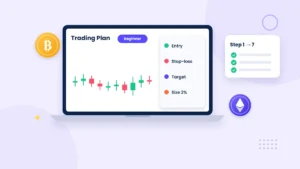
1. Trading Without a Plan
Jumping into trades based on a hunch or a social media post is one of the fastest ways to lose money. Without a plan, every decision becomes emotional. If you are just starting out, our crypto trading for beginners guide walks through building one step by step.
How to avoid it: before each trade, write down three things:
- Your reason for entering the trade.
- Your target price for taking profit.
- Your stop-loss level, where you accept you were wrong.
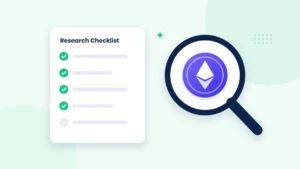
2. Skipping Research
Buying a token because its price is rising, without understanding what it does, leaves you exposed to hype cycles and outright scams.
How to avoid it: learn the basics of any asset before you buy. Look at its purpose, supply, liquidity, development activity and community. Be especially careful with newly launched or very small-cap altcoins. Our altcoin guides are a good place to start.
3. Overtrading
Crypto markets never close, which tempts many traders to trade constantly. Every trade carries fees and spreads, and more trades often mean more emotional decisions.
How to avoid it: set a limit on how many trades you take per day or week. Focus on quality setups that match your plan rather than chasing every move.
Mistakes in Risk Management
4. Risking Too Much on a Single Trade
Putting a large share of your portfolio into one trade means a single bad outcome can do serious damage.
How to avoid it: many traders follow a simple rule of risking only a small percentage of their account, often 1–2%, on any single trade. This keeps losing streaks survivable.
5. Not Using Stop-Losses
Hoping a losing trade will “come back” is a common trap. Sometimes it does, but sometimes a small loss turns into a devastating one.
How to avoid it: decide your exit point before you enter. Use stop-loss orders where available, and place them at logical levels, such as just beyond support or resistance, rather than at random.
6. Misusing Leverage
Leverage, common in futures trading, magnifies both gains and losses. In a volatile market, even a modest move against a highly leveraged position can trigger liquidation and wipe out your margin.
How to avoid it: beginners are usually better off avoiding leverage entirely. If you do use it, keep it low, always use a stop-loss and size your position so a liquidation would not be catastrophic.
Protecting your capital comes first. You cannot take advantage of the next opportunity if you have already lost your trading balance.
Emotional and Psychological Mistakes
7. Letting FOMO and Panic Drive Decisions
Fear of missing out leads traders to buy after a big rally, often near the top. Panic leads them to sell after a sharp drop, often near the bottom. Together, these emotions create the classic “buy high, sell low” pattern. Understanding crypto market cycles and sentiment makes these swings easier to recognize.
How to avoid it:
- Stick to the entry and exit rules in your plan.
- Use limit orders to buy at prices you have chosen in advance.
- Step away from the screen when you feel a strong emotional urge to act.
- Consider dollar-cost averaging for long-term positions.
8. Revenge Trading
After a loss, it is tempting to jump straight into another trade to “win it back.” These trades are usually rushed, oversized and poorly planned.
How to avoid it: set a daily loss limit. If you hit it, stop trading for the day. Review what went wrong once you are calm, not in the heat of the moment.
Security and Operational Mistakes
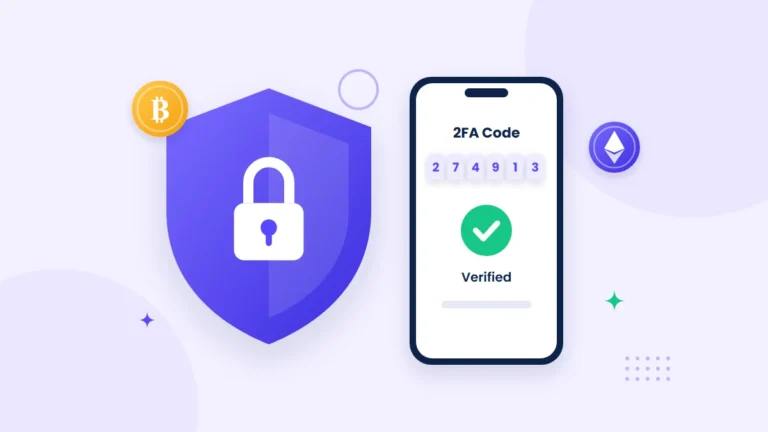
9. Neglecting Account and Wallet Security
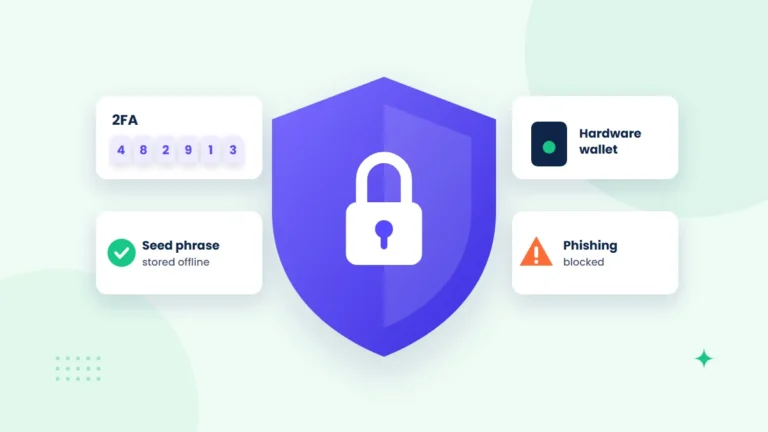
Even a profitable strategy means nothing if your account is compromised. Weak passwords, SMS-only 2FA and phishing links are common entry points for attackers.
How to avoid it:
- Use a unique, strong password stored in a password manager.
- Enable app-based 2FA or a hardware security key where supported.
- Always log in through a bookmarked official site.
- Never share your seed phrase, password or 2FA codes with anyone.
If you trade crypto on Bithoex.com, take a few minutes to review your account security settings. Our crypto security section covers these steps in detail.
10. Sending Funds to the Wrong Address or Network
Crypto transfers are generally irreversible. Sending tokens to the wrong address, or on a network the receiving platform does not support, can lead to permanent loss.
How to avoid it:
- Copy and paste addresses instead of typing them, then check the first and last several characters.
- Confirm that the sending and receiving platforms support the same network.
- Include a memo or tag if the receiving platform requires one.
- Send a small test transaction before transferring large amounts.
A Quick Checklist Before Every Trade
| Question | Why It Matters |
|---|---|
| Do I have a clear reason for this trade? | Prevents impulsive, hype-driven entries |
| Where is my stop-loss? | Defines your maximum loss in advance |
| How much am I risking? | Keeps any single loss manageable |
| Am I feeling calm and objective? | Reduces FOMO, panic and revenge trading |
| Have I double-checked the order details? | Avoids costly input and transfer errors |
Keeping a simple trading journal, where you record each trade and the reasoning behind it, is one of the best ways to spot your own recurring mistakes over time.
A useful journal entry includes:
- The date, asset and direction of the trade.
- Your entry, stop-loss and target prices.
- How you felt before and after the trade.
- What you would do differently next time.
As always, crypto is highly volatile, losses are possible and this article is educational rather than financial advice. Investor.gov also offers useful guidance on crypto asset risks.
Frequently Asked Questions
What is the most common mistake new crypto traders make?
Trading without a plan is arguably the most common and most costly. It opens the door to almost every other mistake, from FOMO buying to holding losing trades for too long.
How much of my portfolio should I risk per trade?
There is no universal answer, but many traders limit risk to around 1–2% of their account per trade. The right amount depends on your goals, experience and tolerance for losses.
Is it better to trade frequently or hold long term?
Both approaches can work, but frequent trading demands more time, skill and discipline. Many beginners find that a longer-term approach with fewer, well-planned trades is less stressful and easier to manage.
Final Thoughts
Avoiding mistakes is often more valuable than finding the perfect trade. By planning ahead, managing risk, controlling your emotions and protecting your account, you put the odds more firmly on your side. Whether you are new to Bithoex.com or have been trading for years, revisiting these 10 lessons regularly can make you a calmer, more consistent trader.